Entry · Ref IOGXG-8C
Why an Elderly GPS Tracker Might Be the Best Tool for Senior Safety in New Zealand
- Posted
- 2026-10-10
- Last amended
- 2026-10-10
- Account
- @elderlygpstrackerlab
Understanding the Need for Better Senior Safety Tools
When we think about keeping our older family members safe, the first things that come to mind are often fall detection, personal alarms, and emergency alert systems. These are essential, but one aspect of senior safety that often gets overlooked is location tracking. As someone who has worked with caregivers and families across New Zealand, I have seen the worry that sets in when an older adult with memory issues or a tendency to wander goes out for a walk and doesn't return when expected. That is where an elderly GPS tracker becomes more than just a gadget - it becomes a lifeline.
A good medical alert system does not just wait for the wearer to push a button. It actively helps caregivers keep track of where their loved one is, in real time. And when you combine that with fall detection and two-way calling, you have a powerful tool for aging in place safely. Many families in New Zealand are now looking for a device that offers all of these features without locking them into expensive contracts. That is why the idea of an elderly GPS tracker with no monthly fees is so appealing.
More Than Just a Button
For years, the standard personal alarm was a pendant you wore around your neck. You pressed the SOS button and hoped someone was on the other end. That model still works, but it has limits. What if the person cannot press the button? What if they have fallen and are disoriented? What if they have wandered away from home and cannot describe where they are? An elderly GPS tracker solves those problems by adding location data to the emergency alert.
I remember a case where a woman in her late seventies, living alone in a small town in the South Island, went missing for several hours. Her daughter, who lived in Auckland, had no way of knowing where her mother was. The police were called, and thankfully she was found safe - but it was a near miss. After that, the daughter installed a wearable device with GPS tracking for her mother. The peace of mind it gave them both was immediate. The mother could still go for her daily walks, and the daughter could check her real-time location from her phone. That is the kind of independence that technology can support, not replace.
What Makes a Good Elderly GPS Tracker?
Not all GPS trackers are the same, and choosing the right one for an older adult requires some thought. Here are a few things I have found matter most in practice:

- Battery life: A device that needs charging every day is a burden. Look for something that lasts several days, or even weeks, on a single charge. Some models use smart power management to conserve battery when the person is at home.
- Waterproof rating: Seniors might wear the device in the shower or in the rain. A waterproof or at least water-resistant design is important for fall detection to work in wet conditions.
- Geofencing: This lets you set safe zones around the home or other familiar places. If the wearer leaves that zone, you get an alert. It is a practical way to know when someone might be wandering.
- Two-way calling: If the person presses the SOS button, being able to speak to them through the device helps assess the situation. It can reduce unnecessary callouts and reassure the wearer that help is on the way.
- Bluetooth and connectivity: Some devices use Bluetooth to connect to a home base station, while others rely on cellular networks. Make sure the device works well in your area, especially in rural parts of New Zealand.
These features are not just nice-to-haves. They make the difference between a device that sits in a drawer and one that is actually worn every day. And that is the real measure of success for any medical alert system.
Fall Detection and Location: A Necessary Combination
Fall detection has become a standard feature in many personal alarms, and for good reason. Falls are a leading cause of injury among older adults. But a fall detection system that cannot tell you where the fall happened is only half useful. Imagine your elderly relative falls in the garden, out of sight of the house. The alarm goes off, but you have no idea where to look. That is where an elderly GPS tracker with fall detection shines. It sends an alert with the person's real-time location, so you can go straight to them.
In New Zealand, where many people live in houses with large sections, bush-clad properties, or coastal areas, this combination is especially valuable. The terrain can make it hard to find someone who has fallen and cannot call out. A wearable device that combines an SOS button, fall detection, and GPS tracking gives caregivers a much better chance of reaching their loved one quickly.
No Monthly Fees: Why It Matters
One of the biggest barriers to adopting a medical alert system is the ongoing cost. Many traditional services charge a monthly subscription, which can add up over time. For families on a fixed income, or for seniors who are already managing tight budgets, that recurring fee can be a dealbreaker. That is why the concept of no monthly fees is so important. You buy the device once, and it works without a contract.
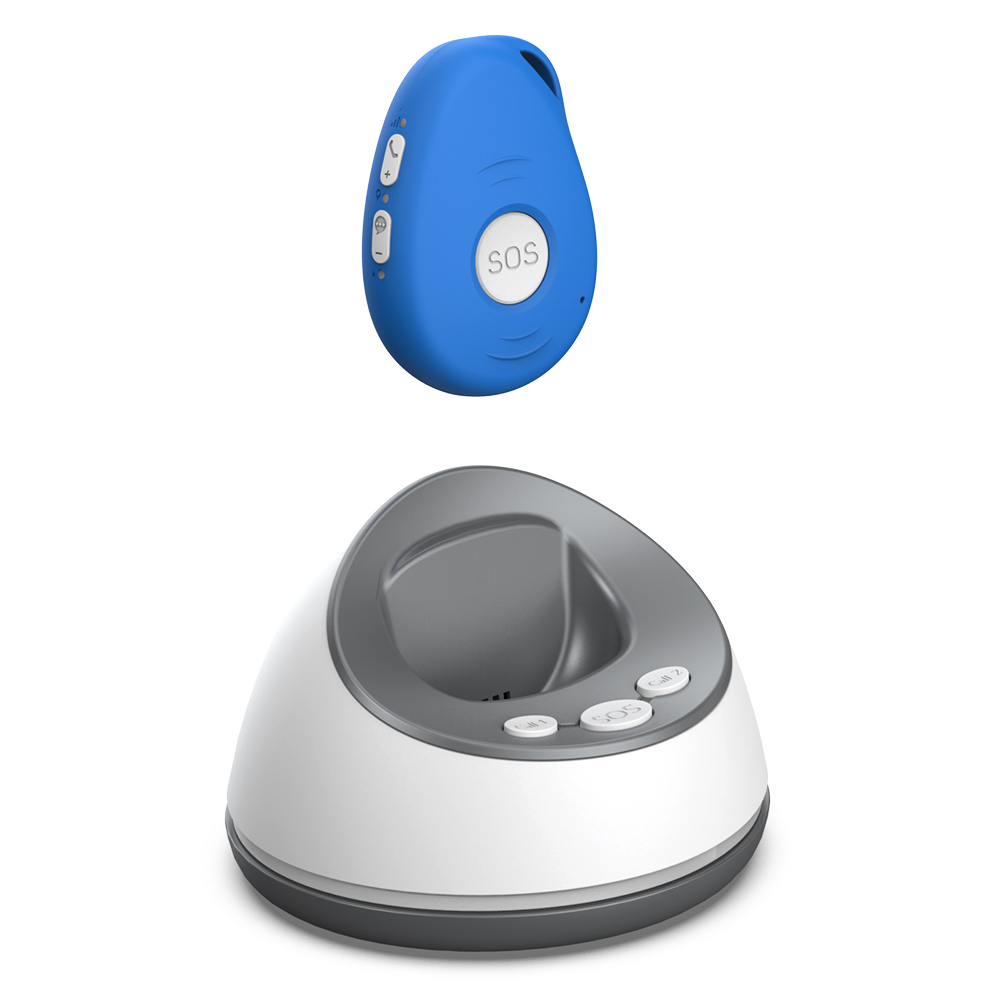
Familyr is one of the companies in New Zealand that has moved in this direction. Their personal alarms include GPS tracking, fall detection, and two-way calling, all with no monthly fees. This approach makes senior safety more accessible. It also removes the worry about forgetting to cancel a subscription or being locked into a plan that no longer fits. For many families, the peace of mind is priceless, but the cost needs to be manageable.
Practical Considerations When Choosing a Device
Beyond the technical features, there are some practical things to keep in mind. First, think about how the device will be worn. Some people prefer a pendant, others a watch-style wearable device. The key is that it must be comfortable enough to wear all day. If it is awkward or heavy, the person will take it off, and it becomes useless.
Second, consider the user interface. Is the SOS button easy to find and press in an emergency? Are the alerts clear and actionable for the caregiver? Some systems send notifications to a smartphone app, while others also call a family member or a monitoring centre. Make sure the system fits with your daily habits.
Third, test the GPS tracking indoors. Some devices rely heavily on cellular triangulation, which can be less accurate inside buildings or in areas with poor reception. Look for a device that uses a combination of GPS, Wi-Fi, and Bluetooth for better indoor positioning. This is especially important for fall detection, because many falls happen inside the home.
Supporting Independence, Not Undermining It
One concern I often hear from older adults themselves is that a GPS tracker feels like an invasion of privacy. They worry that it signals a loss of independence. In my experience, the opposite is true. The right device, introduced with care and respect, can actually extend independence. It gives the older person the confidence to go for a walk, visit a friend, or run an errand, knowing that help is just a button press away. It also reassures the family, which can reduce the pressure to move the person into a nursing home before they are ready.
Aging in place is a goal for many New Zealanders. It means staying in your own home, in your own community, as you grow older. Technology like an elderly GPS tracker supports that goal by adding a layer of safety that was not available a generation ago. When combined with caregiver monitoring tools, it creates a safety net that allows everyone to breathe a little easier.

Final Thoughts
Choosing a medical alert system for an older relative is not a decision to take lightly. It involves weighing up cost, features, ease of use, and the specific needs of the person who will wear it. But if there is one piece of advice I would give, it is this: do not underestimate the value of location tracking. An elderly GPS tracker can be the difference between a quick response and a long, anxious search.
In New Zealand, where communities are often spread out and family members may live hours apart, having a device that provides real-time location and fall detection gives everyone peace of mind. And when you can get that without a monthly fee, it becomes an even more practical choice. Whether you are looking for a personal alarm for yourself or for a parent, take the time to explore the options. The right device can help keep your loved one safe while allowing them to live life on their own terms.